Ranking #1 means nothing if the page doesn't convert. SEO landing pages must balance algorithmic requirements (text density, keywords) with psychological t...
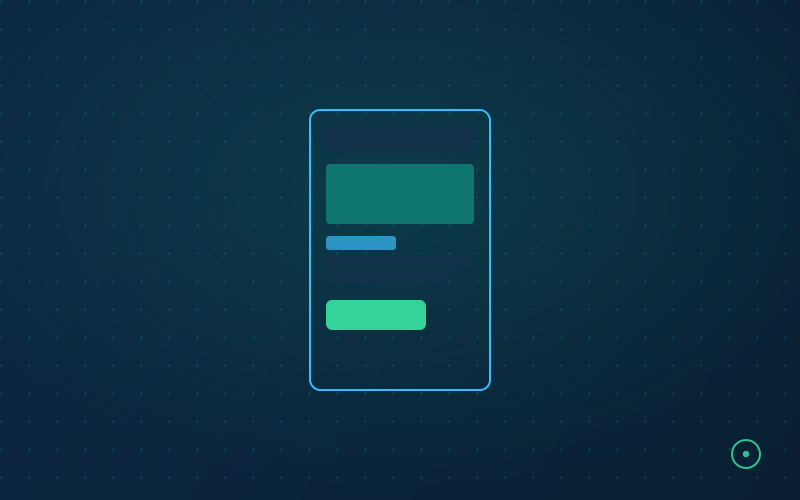
Ranking #1 means nothing if the page doesn't convert. SEO landing pages must balance algorithmic requirements (text density, keywords) with psychological triggers (social proof, clear CTAs). Here is the wireframe for a page that satisfies both Googlebot and your CFO.
The Wireframe Breakdown
Visual hierarchy has a real, well-documented effect on bounce rate — see our On-Page SEO guide for the underlying principles. Follow this exact top-to-bottom flow:
H1: Value Proposition + Primary Keyword
Subheadline: Resolve the user's pain point in 1 sentence.
H2: Features / Benefits
- Semantic keyword inclusion
- Bullet points for scannability
H2: Real Testimonials (E-E-A-T)
"Include raw, unfiltered customer quotes with their photo."
H2: FAQ (Semantic Entity Targeting)
Target "People Also Ask" questions. Inject FAQ JSON-LD — check it with our Structured Data & GEO Readiness Checker.
Why This Works
This layout pushes the commercial intent (H1 and CTA) above the fold, immediately satisfying user intent. It uses the middle of the page to build semantic relevance (Features) and Trust (Testimonials). Finally, it uses the bottom of the page (FAQ) to sweep up long-tail semantic entities without cluttering the UX.
Three Mistakes That Kill Conversion Rate
- Burying the CTA in a slider: a well-known tracked study of Notre Dame's own homepage carousel found the same pattern in real analytics data, not a lab test. Use a single, static hero instead.
"Approximately 1% of visitors click on a feature" — and of those clicks, "84% were on stories in position 1," with the remaining four slide positions splitting the rest.
— Erik Runyon, "Carousel Interaction Stats", tracking ND.edu's homepage carousel
- Writing FAQ copy for FAQ's sake: If your FAQ section doesn't reuse the exact phrasing real users type into Google, you lose both the "People Also Ask" opportunity and the trust-building function of the section.
- Treating the trust bar as decoration: Logos without a real relationship ("as seen in," "trusted by") read as filler to both users and Google's quality raters. Only include logos you can back up with a case study or quote.
How to Validate the Layout Before You Ship It
Don't guess. Run a 5-second test: show the hero section to five people outside your team for five seconds, then ask what the page is for and what they're supposed to do next. If fewer than four can answer both correctly, the H1 and CTA aren't doing their job yet. Iterate on copy before you touch layout — copy problems are far more common than design problems on underperforming landing pages.
Revisit this wireframe every time you refresh the offer or pricing above it — a landing page that converted well a year ago can quietly decay as competitors sharpen their own value propositions, even if its rankings haven't moved.